
Smart Bone Conduction Hearing Technology
Special Consumer Technology Report
A New Hearing Technology Is Helping More Adults Rediscover the Joy of Everyday Conversations
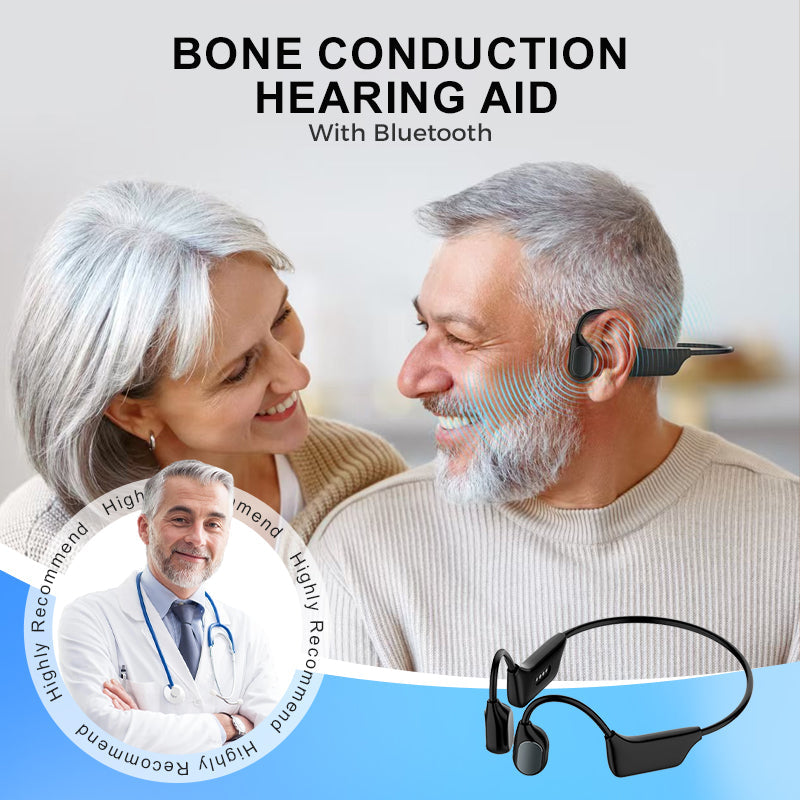
Smart bone conduction hearing earphones are changing the way people experience sound—without completely blocking their ears.
By Consumer Technology Editorial Team | Updated Today
For many people, changes in hearing do not happen overnight. They happen so gradually that most people barely notice them at first. It often begins with small, seemingly unimportant moments. You miss a few words during a family dinner. A conversation at your favorite restaurant suddenly feels harder to follow. You can hear that someone is speaking, but understanding exactly what they are saying takes more effort than it used to. You find yourself turning up the television volume a little higher every few months. Phone calls become increasingly tiring because you have to ask the other person to repeat themselves again and again.
“Sorry, I didn't catch that.”
“Would you mind repeating it one more time?”
At first, it does not seem like a serious problem. You tell yourself: “I'm just getting older.” “It must be the background noise.” “Maybe everyone is speaking too quickly.” So you adapt. You smile and nod even when you miss part of the conversation. You avoid interrupting people because you do not want them to repeat the same sentence several times. You begin speaking less during group conversations. Eventually, some people stop attending gatherings altogether—not because they no longer want to see their friends or family, but because trying to follow every conversation has become exhausting.
For many adults, this is not simply about hearing. It is about gradually feeling disconnected from the people, stories, laughter, and everyday moments that matter most.

New open-ear listening technology is designed to support everyday communication while allowing users to remain aware of the people and environment around them.
A New Approach to Everyday Hearing Support
Recent developments in hearing technology are beginning to change the conversation. Researchers and consumer audio specialists are now exploring a new generation of hearing assistance technology designed to make everyday communication feel more natural—not simply louder. Instead of concentrating only on increasing overall volume, these innovations focus on creating a more comfortable listening experience while helping users remain aware of what is happening around them.
One technology attracting growing attention is known as Open-Ear Bone Conduction Hearing Technology. Unlike conventional earbuds, which deliver sound directly into the ear canal, bone conduction devices use gentle vibrations near the cheekbone area to transmit sound. Because the ears remain open, users can continue noticing important sounds in their surroundings, including a family member calling their name, a doorbell ringing, or a vehicle approaching during a walk.
For adults who dislike the blocked or pressured sensation associated with in-ear devices, this open-ear approach may offer a more comfortable option for everyday listening support.
As interest in the technology continues to grow, one researcher has spent years asking a question that few people in the industry were discussing:
That researcher is Dr. Andrew.

For many adults, the goal is not simply louder sound—it is being able to participate more comfortably in conversations with the people they care about.
“People Weren't Just Losing Sound. They Were Slowly Losing Confidence.”
When Dr. Andrew first began studying hearing technology more than fifteen years ago, he believed his work would primarily focus on sound. Speakers. Audio quality. Signal processing. Acoustic engineering. Like many researchers entering the field, he expected technology and laboratory data to provide most of the answers. What he did not expect was that some of the most important answers would come directly from ordinary people.
Over the following fifteen years, Dr. Andrew worked alongside consumer audio engineers, acoustic specialists, product developers, and technology design teams. Together, they explored how modern listening technology could better support real-life communication. Yet the experiences that eventually changed the direction of his research did not take place in a laboratory. They happened inside community centers, retirement groups, senior wellness events, technology exhibitions, church gatherings, and neighborhood meetings.
Wherever he went, people shared remarkably similar stories. A retired schoolteacher told him she had quietly stopped attending her weekly book club. It was not because she had lost her love of reading. She stopped going because following a fast-moving discussion among eight or ten people had become overwhelming.
Then a 68-year-old grandfather shared another story. Every Sunday, his entire family gathered around the same table. His grandchildren laughed and excitedly told stories about school. Several conversations often happened at the same time. He smiled and nodded along with everyone else. But later, he quietly admitted:
Another older adult told Dr. Andrew that he had started avoiding phone calls. It was not because he could not hear the telephone ringing. He could hear the other person's voice, but the words often seemed distant or unclear—as though the conversation were happening behind a layer of glass. He then said something Dr. Andrew would remember for years:
That moment fundamentally changed how Dr. Andrew viewed hearing technology. Many adults were not simply losing access to sound. They were slowly losing the confidence to join a conversation, answer the telephone, attend a gathering, or laugh without worrying that they had misunderstood what someone had said. They were not completely unable to hear. But over time, they were beginning to withdraw from parts of the life they once enjoyed.
Our Editorial Team Decided to Try It for One Week
We wanted to know whether open-ear bone conduction technology could make real-world conversations feel easier—not just louder.
After our interview with Dr. Andrew, one important question still remained. Could open-ear bone conduction hearing technology really make everyday communication feel as natural and comfortable as he described? The idea sounded promising. But we did not want to rely only on technical explanations, laboratory demonstrations, or carefully prepared product presentations. We wanted to understand how the technology performed during the ordinary situations people experience every day.
To find out, we invited several adults from different age groups to use the open-ear bone conduction hearing earphones for one full week. Each participant was encouraged to use the device naturally, without changing their normal routine. We asked them to pay attention not only to sound, but also to comfort, awareness of their surroundings, ease of conversation, and how much mental effort was required to follow what other people were saying.
Participants tested the device in everyday situations including:
- Family dinners and group conversations
- Daily shopping and grocery stores
- Walking through neighborhood parks
- Answering and making phone calls
- Watching television at home
- Talking in cafés and restaurants

Participants tested the open-ear design during familiar daily activities rather than in a controlled laboratory environment.
The Most Common Reaction Was Not What We Expected
At the end of the seven-day test, we spoke with each participant and asked the same set of questions. What did they notice first? Did conversations feel easier to follow? Was the open-ear design comfortable enough for regular use? Did they feel more aware of what was happening around them? Although every participant had a slightly different experience, their overall feedback was surprisingly consistent.
The Key Finding
What impressed participants most was not that sound simply became louder. It was that everyday communication began to feel more natural and required less effort.
Several participants explained that conversations had previously required constant concentration. They listened carefully for individual words, watched facial expressions, and tried to mentally fill in the parts they had missed. Even a casual conversation could become tiring because they were always worried about misunderstanding something important.
Another participant focused on the open-ear design. She explained that traditional earbuds often made her feel isolated because they blocked the ear canal and reduced awareness of what was happening nearby. With the open-ear design, the experience felt noticeably different.
This surrounding awareness was especially valuable during outdoor activities. Participants who wore the device while walking in the park said they appreciated being able to listen while still noticing nearby conversations, approaching bicycles, passing vehicles, and other environmental sounds.
During family dinners, the feedback was slightly different. Participants did not describe the experience as suddenly hearing every voice perfectly. Instead, they said it felt easier to remain involved in the conversation without constantly interrupting family members or asking them to repeat the same sentence.
Several participants also said the device helped reduce the anxiety they normally felt in group settings. Rather than worrying about missing every word, they felt more comfortable simply joining the conversation.
Editorial Observation
The most meaningful difference was not only related to sound. It was the reduction in effort, hesitation, and uncertainty that many adults experience during everyday communication.
The open-ear format also received positive feedback for comfort. Because nothing needed to be placed deep inside the ear canal, several participants said the device felt less intrusive than traditional earbuds. They also liked that it looked more like a modern wireless headset than a traditional medical device. This mattered more than we initially expected. Some participants admitted that they had previously avoided hearing-related products because they did not want to feel self-conscious in public. The familiar headset-style appearance made the product feel more discreet and easier to include in an ordinary routine.
Of course, no single listening product will create the same experience for every person. Hearing needs can vary significantly, and anyone experiencing sudden, severe, or medically diagnosed hearing changes should consult a qualified hearing professional. However, for adults looking for an open-ear option that may make daily listening and communication feel more comfortable, the results of our one-week test were encouraging.
Why Does Dr. Andrew Recommend This Open-Ear Design?
After years of studying hearing technology, Dr. Andrew believes the best design is not simply the one that performs well in a laboratory—it is the one people are comfortable using in everyday life.
According to Dr. Andrew, effective hearing technology should do more than demonstrate impressive technical performance. It should fit naturally into the way people already live. A product may perform well during a short demonstration, but that does not necessarily mean someone will feel comfortable wearing it during breakfast, while shopping, on a walk, during a phone call, or at a family gathering.
For Dr. Andrew, this difference is extremely important. Over the years, he spoke with many adults who had previously tried different types of hearing or listening devices. Some of those products produced acceptable sound. Some offered powerful amplification. Others included advanced controls and multiple listening settings. Yet many of those devices eventually ended up in a drawer.
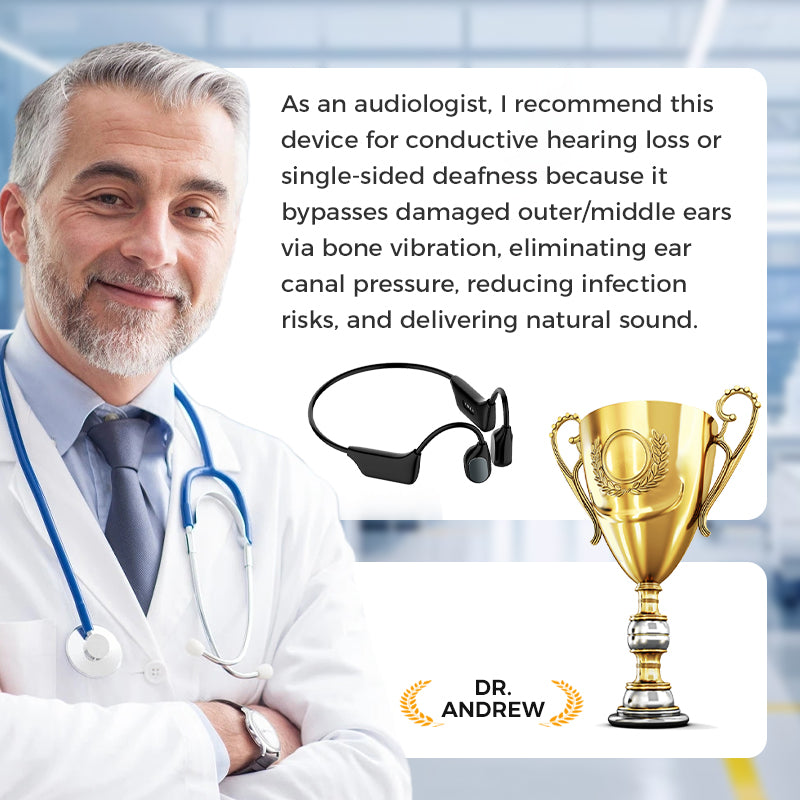
Dr. Andrew believes hearing technology is most valuable when it is comfortable, discreet, easy to use, and practical enough to become part of an everyday routine.
Why Do People Stop Using Hearing Devices?
After years of research and conversations with users, Dr. Andrew began noticing a repeated pattern. Many people did not abandon their hearing devices simply because the technology failed to produce sound. They stopped wearing them because the products were difficult to include in their daily lives.
- The device became uncomfortable after being worn for an extended period.
- The medical-looking appearance made the wearer feel self-conscious in public.
- The controls, settings, or daily operation felt too complicated.
- After several frustrating experiences, the device was placed in a drawer and rarely used again.
Dr. Andrew believes these concerns should not be treated as minor inconveniences. They directly determine whether someone is willing to use a product consistently. A hearing device can contain advanced technology, but if it creates pressure inside the ear, feels awkward in public, or requires complicated adjustments throughout the day, many users will eventually stop wearing it.
Why Open-Ear Bone Conduction Stood Out
This is why Dr. Andrew became especially interested in the development of open-ear bone conduction hearing technology. Unlike conventional in-ear devices, the open-ear design does not need to be inserted deeply into the ear canal. Instead, the device rests outside the ear and uses gentle vibrations near the cheekbone area to deliver sound. For many users, this may help reduce the blocked, pressured, or isolated sensation associated with traditional earbuds.
The open-ear format also allows users to remain more aware of their surroundings. They may continue noticing a family member calling from another room, a doorbell ringing, a vehicle approaching, or another important sound in their environment.
Dr. Andrew believes this balance between listening support and environmental awareness makes the design particularly suitable for modern daily life.
The design combines several features Dr. Andrew considers important:
- Open-Ear Comfort — Nothing needs to be placed deeply inside the ear canal.
- Environmental Awareness — Users can remain more aware of nearby people and important surrounding sounds.
- Everyday Listening Support — Designed to make conversations, television, calls, and other daily activities easier to follow.
- Wireless Connectivity — Can connect with compatible phones and devices for modern everyday use.
- Familiar Appearance — Looks more like a contemporary wireless headset than a traditional medical device.
- Simple Daily Use — Designed to fit into familiar routines without requiring constant complicated adjustments.
Appearance was another important consideration. Many traditional hearing products are immediately recognizable as medical devices. Although there is nothing wrong with using medical hearing support, some adults admit that they feel uncomfortable when other people immediately notice what they are wearing. The modern headset-style appearance of an open-ear bone conduction device may feel more familiar and discreet. It can resemble the wireless audio accessories that people already use for phone calls, music, podcasts, and television. According to Dr. Andrew, this familiarity can make a meaningful difference. When people feel less self-conscious, they may be more willing to wear the device while shopping, visiting friends, attending family events, or simply walking outside.
Dr. Andrew's Design Principle
The best hearing technology is not the product with the longest list of technical features. It is the product people feel comfortable reaching for and using as part of their everyday lives.
Wireless connectivity also helps the technology fit more naturally into a modern routine. Instead of functioning only as a separate hearing device, an open-ear headset may also connect with compatible phones, televisions, tablets, and other Bluetooth-enabled equipment. This allows users to move between conversations, phone calls, television, and other daily listening activities with a more familiar experience.
Dr. Andrew emphasizes that no consumer listening product is appropriate for every individual or every type of hearing concern. Anyone experiencing sudden hearing changes, severe hearing difficulty, ear pain, dizziness, discharge, or another medical symptom should seek guidance from a qualified healthcare or hearing professional. However, for adults seeking a comfortable and modern option for everyday listening support, he believes open-ear bone conduction technology represents an important direction.
Smart Bone Conduction Hearing Earphones
An open-ear wireless listening solution designed to support everyday conversations, calls, television, and daily communication without completely blocking the ears.
Inspired by the open-ear listening principles Dr. Andrew has studied for years, the Smart Bone Conduction Hearing Earphones combine bone conduction technology with convenient everyday listening support. They are designed for people who want more than a traditional pair of wireless earphones. The goal is to help users participate more comfortably in daily conversations while remaining aware of the people, sounds, and activity around them.
Instead of sealing the ear canal, the open-ear design rests outside the ear and transmits sound through gentle vibrations near the cheekbone area. This allows the user to continue noticing surrounding sounds while listening to conversations, calls, television, music, or other connected audio.
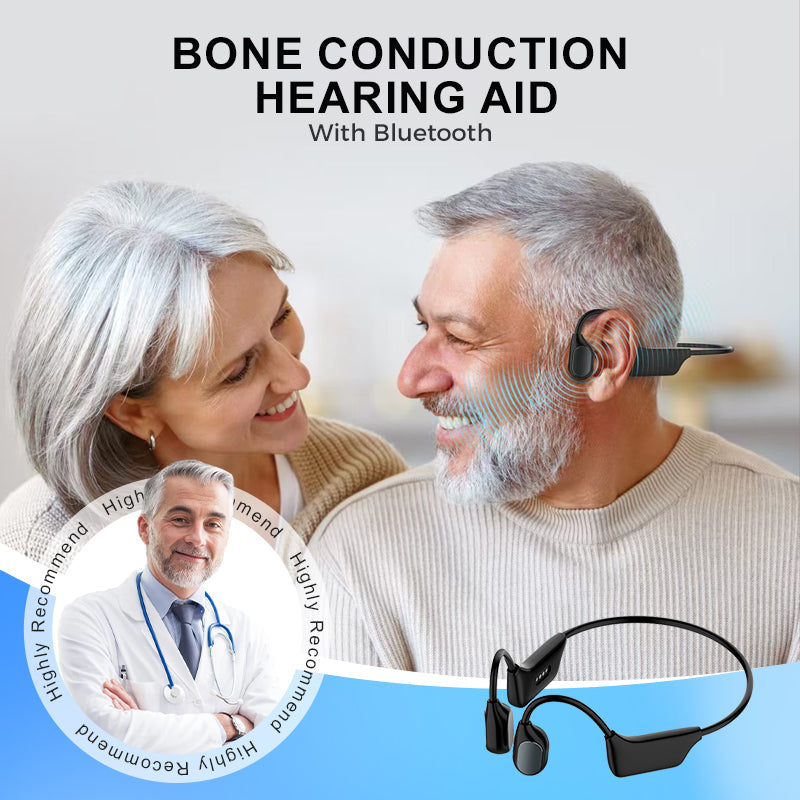
The Smart Bone Conduction Hearing Earphones combine an open-ear fit, wireless connectivity, and a lightweight design intended for comfortable everyday use.
More Than Wireless Earphones
The design is intended to provide a more natural way to stay involved in conversations, calls, television, and other daily listening activities without feeling completely isolated from the surrounding environment.
Why Are More People Choosing This Design?
Many adults are looking for listening support that feels comfortable, discreet, and simple enough to use throughout an ordinary day. They do not want complicated controls, uncomfortable in-ear pressure, or a product that feels difficult to include in their daily routines. The Smart Bone Conduction Hearing Earphones were designed around those practical concerns.
Designed for the Moments That Matter Most
Hearing support is most valuable when it works during the situations people experience every day. That may mean joining a family conversation without constantly asking others to repeat themselves. It may mean watching television at a comfortable level without turning the volume up for everyone else in the room. It may also mean answering a phone call, listening to a grandchild, speaking with a friend, or enjoying a walk while remaining aware of nearby activity.
Common everyday uses may include:
- Family dinners and home conversations
- Phone and video calls
- Watching television or online videos
- Talking with friends in cafés or restaurants
- Walking outdoors while remaining aware of traffic
- Listening to music, podcasts, or other audio
The open-ear format is especially helpful for people who dislike the closed or isolated feeling of traditional earbuds. Because the ear canal remains open, users can continue noticing a family member calling their name, a doorbell ringing, or another important sound nearby.
The modern wireless appearance may also feel more familiar than a traditional medical-style device. It resembles the type of headset many people already use for phone calls, music, and daily entertainment. For users who feel self-conscious about wearing visible hearing equipment, this familiar appearance may make the product easier to use in public.
Who May Appreciate This Design?
Adults who want a comfortable, easy-to-use, open-ear listening option for conversations, calls, television, and everyday wireless audio—without completely blocking awareness of the world around them.
The simplified setup also makes the product more approachable for users who do not want to manage complicated menus or frequent adjustments. After the initial Bluetooth connection, the earphones can be used with compatible devices in a way that feels similar to familiar wireless audio accessories. This combination of open-ear comfort, environmental awareness, wireless connection, and simple operation reflects the type of practical design Dr. Andrew believes people are more likely to use consistently.
Important listening and health note
This consumer listening product is not a replacement for a professional medical diagnosis or prescribed hearing treatment. Anyone experiencing sudden hearing changes, severe hearing difficulty, ear pain, dizziness, discharge, or other concerning symptoms should consult a qualified healthcare or hearing professional.
Loved By Customers Looking For A More Natural Listening Experience
Real experiences from people using Smart Bone Conduction Hearing Earphones in everyday life.
“I Finally Feel Included In Family Conversations”
“I could hear my family talking before, but I often missed the little details. These earphones helped conversations feel much easier and more natural. I don't have to constantly ask everyone to repeat themselves anymore.”
“My Wife Noticed The Difference First”
“I used to keep increasing the TV volume and didn't realize how loud it was. The biggest change wasn't just watching television—it was being able to enjoy everyday conversations with my wife again.”
“I Feel Connected To The World Around Me Again”
“I love that I can listen while still being aware of what's happening around me. Walking outside feels more comfortable because I don't feel separated from the environment.”
Frequently Asked Questions
Questions People Ask Before Trying Smart Bone Conduction Hearing Earphones
Many adults have similar questions before exploring a new hearing support technology. Here are some of the most common answers.
These earphones are designed for adults who want a more comfortable, open-ear listening experience during everyday activities. They may be especially appealing for people who often experience situations such as:
- Family members needing to repeat themselves during conversations.
- Difficulty following conversations in restaurants or group settings.
- Increasing television volume over time.
- Phone conversations requiring extra concentration.
- Looking for a more comfortable daily hearing support option.
For adults interested in exploring modern open-ear bone conduction technology, this design offers a different approach to everyday listening.
Traditional earbuds often sit directly inside the ear canal. The open-ear design works differently. Instead of blocking the ear canal, bone conduction technology uses gentle vibrations near the cheekbone area to deliver sound. This allows users to enjoy audio while remaining aware of important surrounding sounds. For everyday activities such as walking, shopping, or spending time with family, many users appreciate the more natural feeling.
Comfort was one of the main reasons open-ear designs became increasingly popular. Because the device does not need to sit deep inside the ear canal, many users find the wearing experience more natural compared with traditional in-ear earbuds. The lightweight design is intended for everyday activities such as phone calls, watching television, walking, and relaxing at home.
No. The setup process is designed to be simple. After connecting through Bluetooth, users can begin using the earphones with compatible smartphones, tablets, and other devices. Most users familiar with wireless headphones can quickly understand the basic controls.
Yes. Smart Bone Conduction Hearing Earphones are designed to connect with compatible Bluetooth-enabled devices. Users can enjoy convenient access to phone calls, music, videos, and other wireless audio experiences.
One of the main advantages of open-ear technology is maintaining awareness of the surrounding environment. Because the ear canal remains open, users can continue noticing important sounds nearby, such as:
- Someone calling their name.
- A doorbell ringing.
- Nearby conversations.
- Outdoor activity while walking.
Smart Bone Conduction Hearing Earphones are designed as a consumer listening and hearing support product. They are not intended to replace professional medical evaluation or prescribed hearing treatment. Anyone experiencing sudden hearing changes, severe hearing difficulty, ear pain, dizziness, discharge, or other concerning symptoms should consult a qualified hearing professional.
A better listening experience is not only about louder sound.
It is about staying connected to conversations, family, and everyday moments that matter.
Andrew's Final Message
Rediscover The Conversations That Matter Most
From a simple morning greeting from a loved one,
to hearing your grandchild excitedly share a story about their day,
to enjoying a long-awaited phone call with an old friend.
Every conversation matters. Every moment deserves to be experienced.
Smart Bone Conduction Hearing Earphones use open-ear bone conduction technology to help more adults enjoy a comfortable, natural way to participate in everyday conversations.
Experience The Next Generation Smart Bone Conduction Hearing Technology
Discover a more comfortable way to stay connected with the people and moments that matter.
Click to learn more